

No-code automation platform
Lead Generation for Enterprise Clients Using Mass Advertising Tools
Task
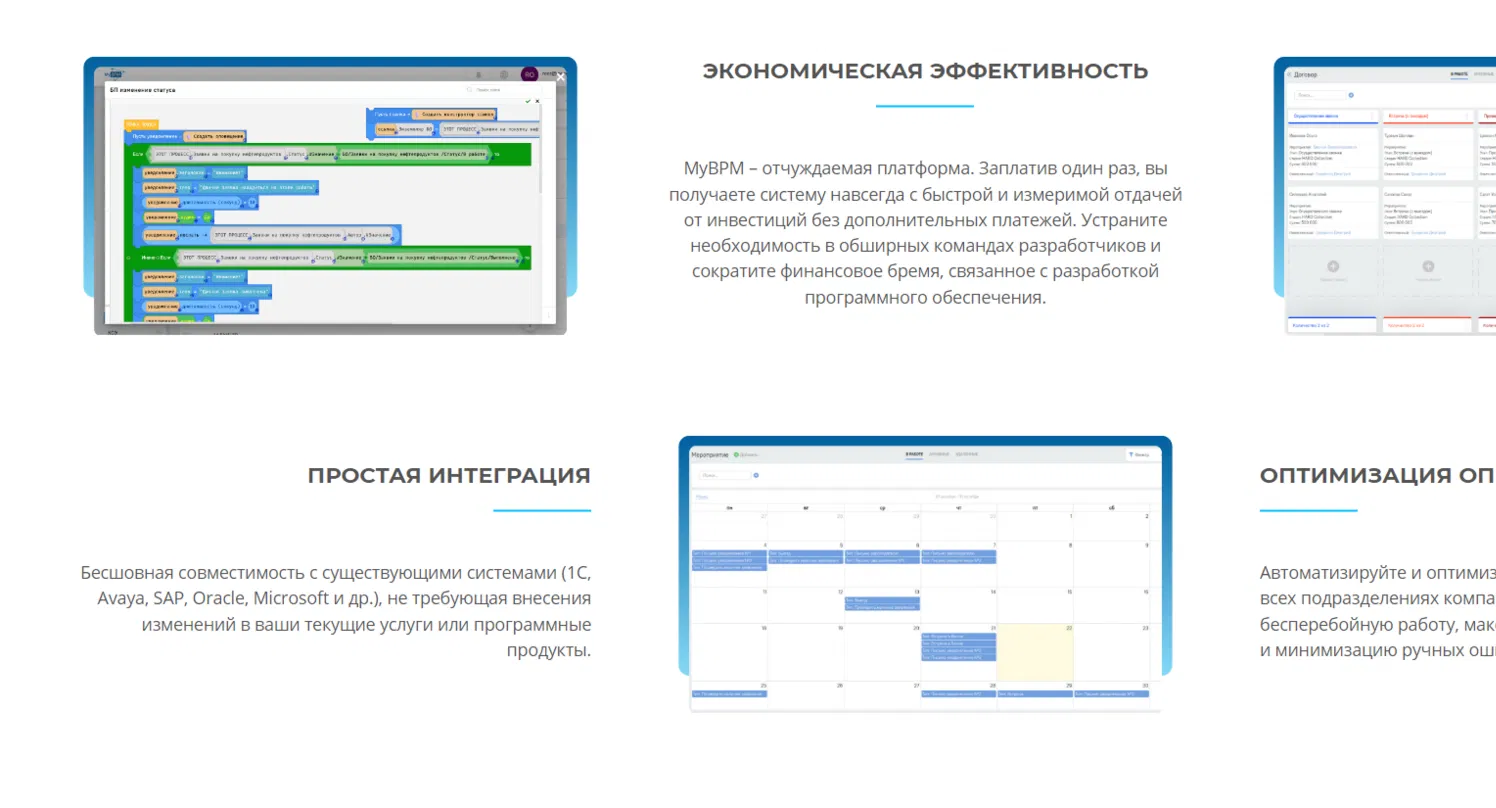
An IT company that specializes in custom software development created a separate solution within its core business: a no-code platform for business automation. The platform costs several tens of thousands of dollars, and enterprise clients are the primary buyers. The sales cycle is seven months or more. Our task was to quickly provide the sales team with targeted leads.
Beyond the product itself and a general understanding of the target audience and a few implemented projects, there was nothing else. Before implementing a lead-generation system, we had to study, detail, and segment the audience and decision-makers and determine effective triggers for subsequent communication.
Solution
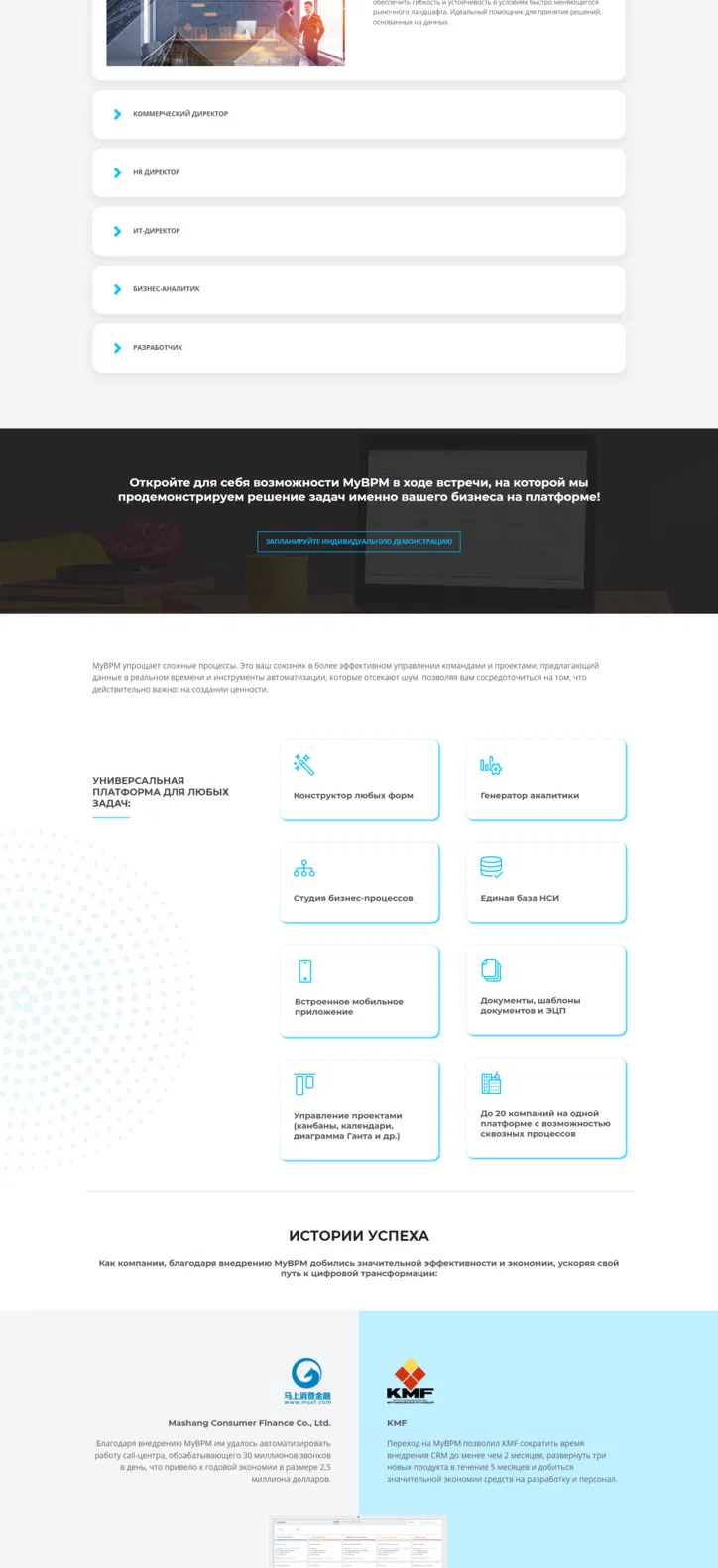
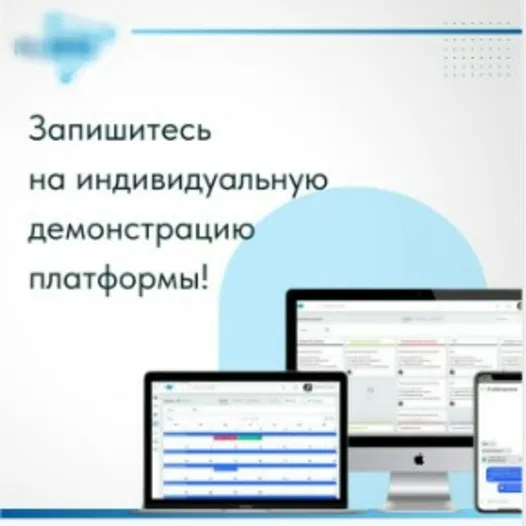
Due to the complexity of the tasks at hand, the project was divided into three stages. The first stage involved detailing and segmenting the audience to answer the question of which triggers it responds to and which combinations of advertising messages are most effective. The second stage involved launching an ad campaign based on the obtained results, using the necessary triggers in ads on social networks with narrow targeting. The third stage involves reducing the cost of acquisition and achieving mass advertising coverage through targeted messaging that describes problems and pain points. The main CTA was chosen as signing up for an individual demonstration of the platform.

Implementation
In the first stage, cold email outreach was chosen as the primary tool. Then, a matrix of hypotheses was developed, taking into account target industries and job roles. A landing page was created with a general description of the platform. To test the hypotheses, a database of 400 contacts was formed from target industries and a pool of target job roles, with up to six to eight employees from different departments in one company. The testing process occurred in two stages: initial testing on a small sample and main testing after adjustments were made. A series of A/B tests resulted in the exclusion of non-target audience segments and the identification of the most effective trigger messages. Fourteen companies expressed interest during testing, six of which entered the sales funnel (initial meetings and demonstrations were held). The first stage lasted 1.5 months.
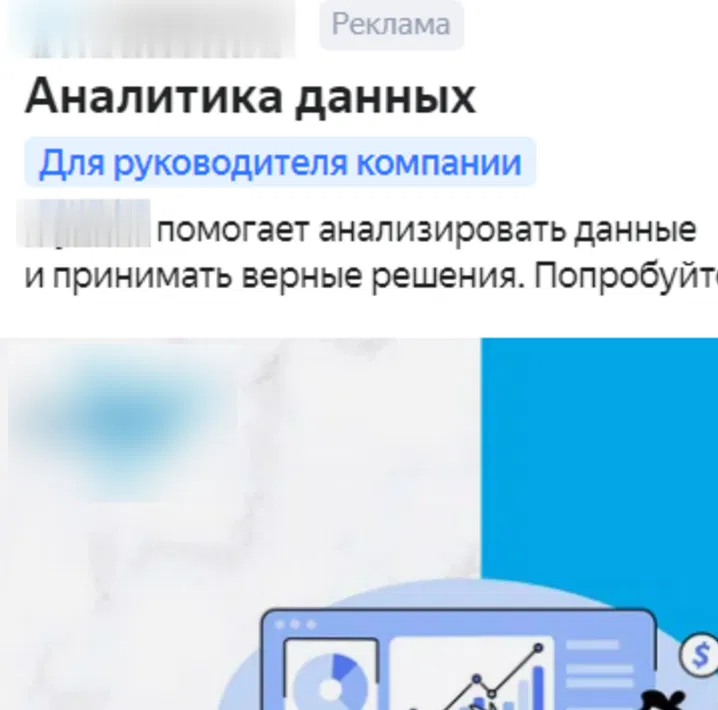
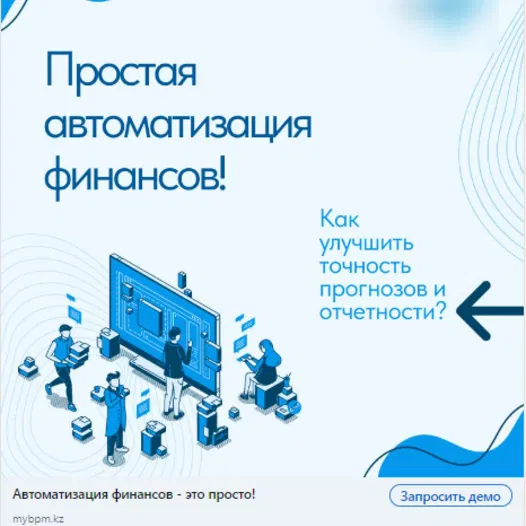
In the second stage, the most effective triggers and email texts were used to create advertisements for LinkedIn, Facebook, and Instagram. Audiences were segmented based on the results of the first stage. After launching the social media advertising campaign, the ads were adjusted every few days. Only the most effective ones remained after four weeks. The target audience and customer profile were also defined more accurately. Average daily traffic to the landing page increased to 4,000–6,000 unique visitors, who spent an average of 30 seconds on the site, resulting in a 35% bounce rate. The number of targeted leads (sign-ups for individual demonstrations) reached 30, and 14 of those entered the sales funnel. The cost per lead ranged from $90 to $120.
In the third stage, we scaled the results and reduced the cost of attracting leads using integrated methods. To attract a cold audience, we used inexpensive, mass tools such as programmatic and contextual advertising. To warm up the audience, we used retargeting on social networks, which included repeat visits to the landing page and lead forms. Meanwhile, we launched an automated email campaign for the gradual onboarding of existing leads. We adjusted the ads based on the results of previous activities.

Results
By the end of the third stage, we achieved the following with a daily landing page audience of 500 users: the bounce rate on first visits was 30%, and the share of retargeting visits increased to 30%. The number of leads increased to 30 per week, and the cost per lead decreased to $15. After implementing retargeting and a lead form, the cost per lead decreased to $4.50. Eighty percent of leads who received an individual demonstration entered the sales funnel, i.e., passed sales qualification.
The second and third stages were accompanied by offline activities as well. Visitors to these activities were included in databases for retargeting and email campaigns. Based on the results, the experiment of using mass advertising tools to attract customers was deemed successful. To reduce dependence on paid advertising tools, the next step is to focus on engaging and educational content and creating industry content hubs on business process automation. This will enable us to develop long-term interaction strategies at all stages of the marketing and sales funnel.