


System Integrator
Development and implementation of a system for attracting target customers
Task
The customer is an expert in building network infrastructure for medium-sized, geographically distributed companies. While the management team wanted to continue developing their specialization in corporate network implementation, the sales team was unable to establish a process for attracting potential customers.
Previously, the company did not engage in marketing, and customers came through referrals and sales activities at trade shows. The client occasionally ran email campaigns with promotional offers and launched paid search advertising several times. However, these attempts were insufficiently effective. The client approached us to develop a system for attracting target customers.
Solution
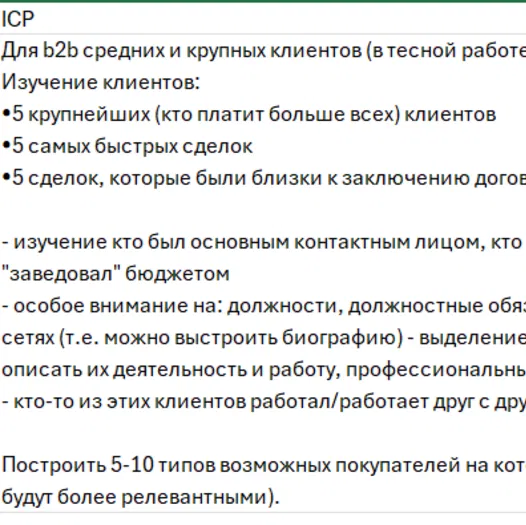
We conducted a marketing audit, analyzing past activities, sales operations, and several landmark deals from a marketing perspective. We found that the client lacked a clear understanding of its ideal customer profile (ICP). The sales team described the target customer as a company with 100 to 1,000 employees that has independent branches or production sites across the country. These branches have their own approach and IT systems, which leads to conflicts and limited performance of the overall IT infrastructure.
Based on the audit results, we decided to develop a marketing strategy from scratch. Then, we created activities that formed the foundation of a system for regularly acquiring target customers. Within several weeks, a go-to-market strategy was developed. After analyzing the customer base and the most profitable deals, an ideal customer profile was created, and target industries were defined. As a result of the preparatory work, the key requirements for the customer acquisition system were defined, in addition to strategy and positioning: costs should not exceed a specified threshold; customer acquisition should be handled by sales; and their core workflows should remain unchanged. Ideally, the system should be as automated as possible.
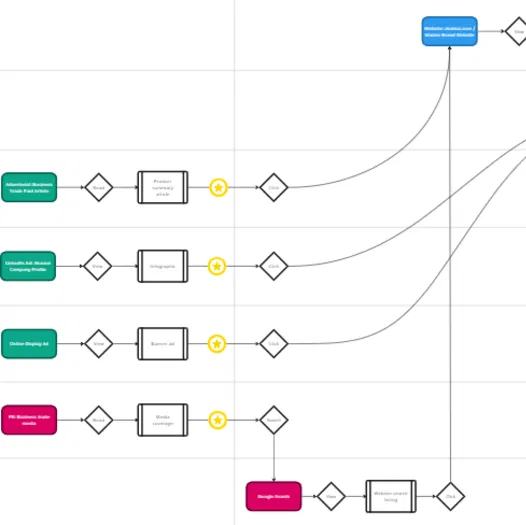
Only one exception was made: readiness for manual, highly targeted work for acquiring large customers with substantial IT budgets. Based on these requirements, the following approach was proposed: creation of a scoring model to select and disqualify potential target companies. A sales representative would determine how to engage with a company, either through cold email outreach with maximum automation if the company is expected to have standard problems and one to three decision-makers, or through account-based marketing if the company has a large group of IT decision-makers and significant project budgets.

Implementation
The preparation phase, which included strategy development, ICP, and value propositions, took two weeks. After our proposal was approved, implementing the full system and testing it on a pilot project took an additional eight weeks. We conducted all work together with the client’s sales manager, who learned all operational algorithms simultaneously because he would later be responsible for attracting potential clients.
We established a system of criteria for selecting and disqualifying target companies. The main goal was to align as closely as possible with the Ideal Customer Profile. During the pilot project, the system was converted into a scoring model for ease of use. Companies with the highest scores were assigned to the first-tier group for account-based marketing, which offered 100% personalization for each key employee. Those with medium scores were assigned to the second-tier group, which received automated, personalized email campaigns with personalization at the level of role-specific pain points and industry. Those with the lowest scores were excluded from activities.
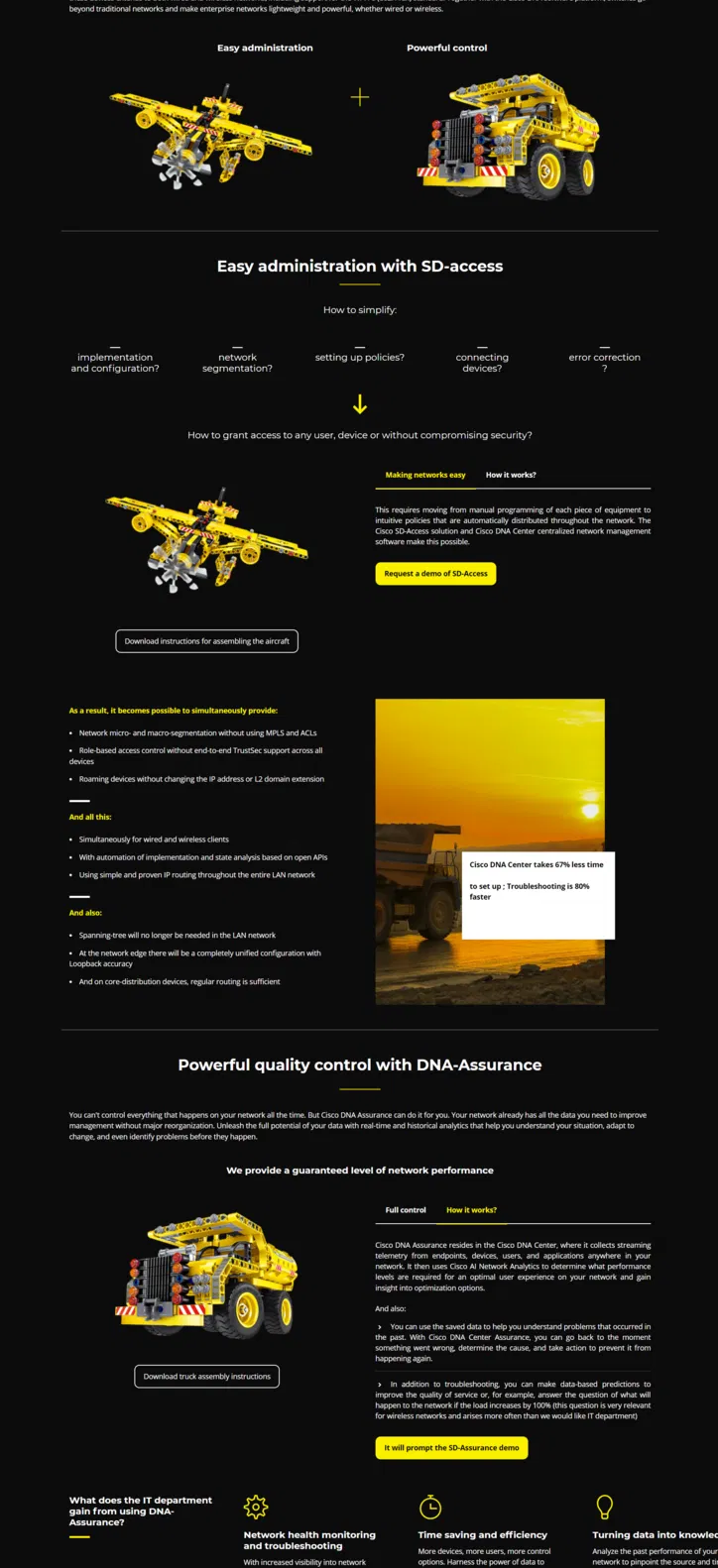
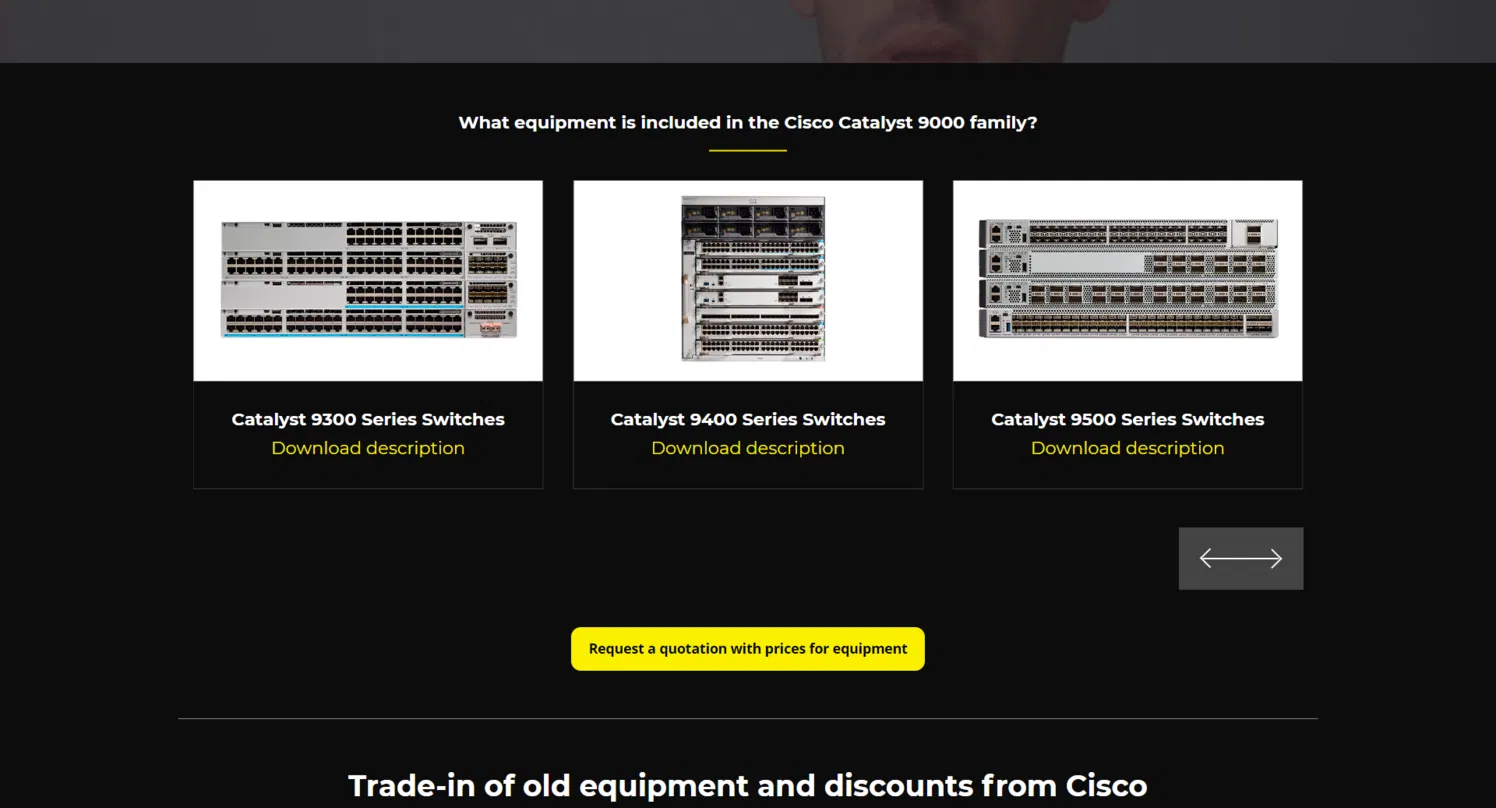
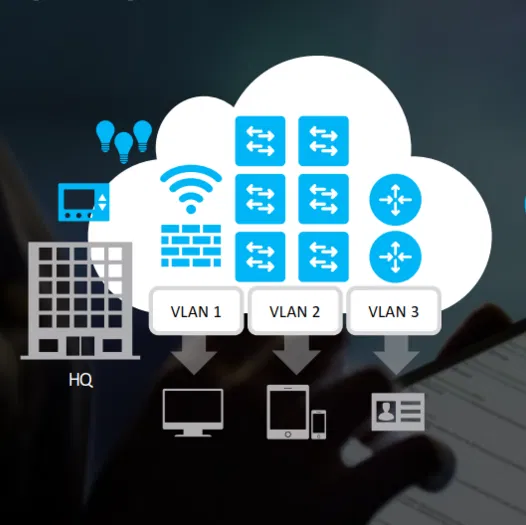
Two hundred companies were selected for the pilot project. The second-tier group included 150 companies and the first-tier group included 50. The product used to “approach” target clients was Cisco SD-Access and Cisco DNA Assurance, which is based on Catalyst 9000 equipment.
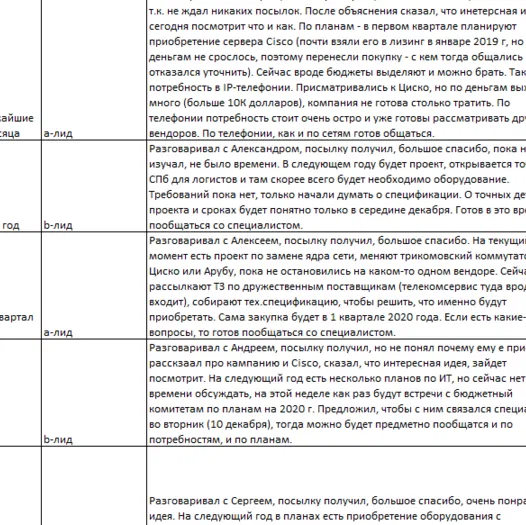
Specialized content was prepared for second-tier companies (vendor reference materials were adapted, and offers were created). Three target roles were identified: CEO, IT Director/Technical Director, and Network Engineer/Network Administrator. For each campaign, relevant employees were identified, along with their work emails, social media profiles, and phone numbers in some cases. Standard email sequences with personalized value propositions (trigger + emphasis on the “tasks-pain-solution” connection) were created for each role.
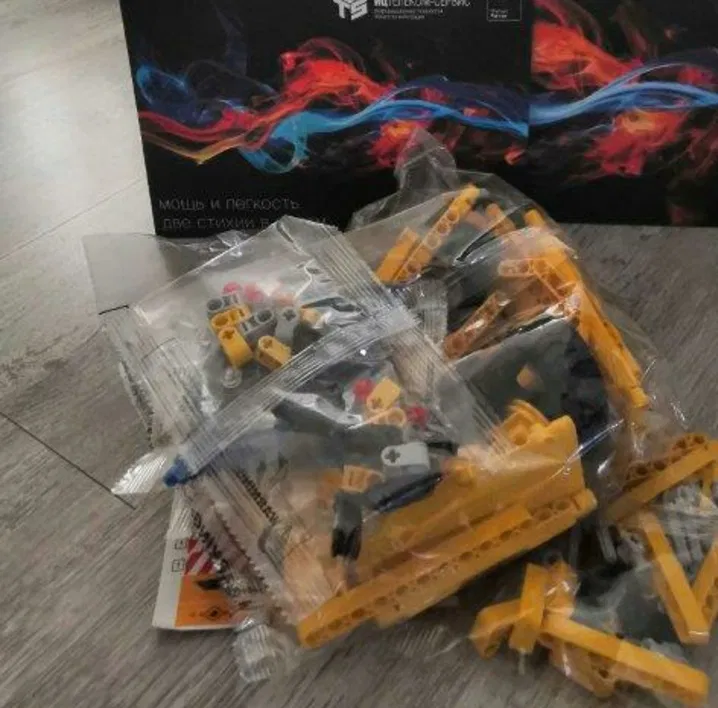
Four target roles were identified for first-tier companies: CEO, IT/Technical Director, Head of Procurement (if applicable), and Network Engineer/Administrator. To attract attention and establish contact with specific employees, gamification was used. This involved giving construction kits without instructions and engaging recipients on a dedicated landing page where personalized proposals were presented alongside kit assembly instructions. Subsequent communications by the sales manager were built around this engagement. To enhance expertise, a special set of materials was prepared for each target company, including a detailed service description, capabilities, and case studies demonstrating solutions to problems similar to those of the target company, as well as niche use cases.
Results
The pilot project demonstrated the effectiveness of the proposed client acquisition system. Among the second-tier companies, 36% responded positively. Within three months of the project’s conclusion, 22 companies participated in detailed meetings, resulting in seven companies becoming clients of our customer. This equates to a 5% sales conversion rate, as clients agreed to implement not only Cisco, the initial entry point, but also solutions from other vendors. In the first-tier group, the positive response rate was 56%. Twenty-eight companies participated in meetings, and four deals were closed over the course of a year (an 8% sales conversion rate). Notably, the four first-tier companies generated 2.6 times more profit than the nine second-tier companies in monetary terms.
As a result, the client received a step-by-step algorithm for manually identifying potential customers and gathering necessary information about them. The client also received a scoring model for evaluating potential clients and a fully automated system of personalized outreach for second-tier companies based on their own scoring model. Additionally, the client’s sales manager acquired the necessary prospecting and client attraction skills, including those within the account-based marketing framework. After a year of using the implemented systems and frameworks, the client’s cost to acquire new customers was 45% lower than expected. The main expenses were for promotional items and database tools, and all activities were carried out by sales staff within their salary ranges.