


Cisco
Regional co-marketing campaign Cisco Partner Webcast Digital, covering 4 distributors and 24 partners.
Objective
As part of its search for new ideas in lead generation, Cisco decided to create a marketing tool for partners that would automate online interactions with new customers and identify high-demand buyers.
The creation of a non-competitive environment was a prerequisite so that partners would not compete with each other when working with the tool. This environment also gave partners the opportunity to highlight and strengthen their expertise in the eyes of the market. It was also necessary to consider Cisco’s partners’ reluctance to participate in the preparatory process (creating materials for expertise), lead generation, and reporting to the vendor.
Solution
We developed an activity concept in which each partner records several short webinars or webcasts on their customers’ pain points. These webinars or webcasts show how a specific Cisco solution solves such a problem in real life. The partners define the topics based on their expertise. Partner specialists served as webinar speakers. Cisco ensured that topics from different partners did not overlap, compete, or duplicate each other.
The webinars created by the partners were stored in a separate content hub customized for each partner (branding, tone of voice, and additional materials). Each content hub was promoted separately on behalf of the partner but within Cisco’s centralized strategy. During advertising campaigns, users registered and watched webinars and webcasts, which were then qualified and passed to the partners’ sales departments.
Implementation
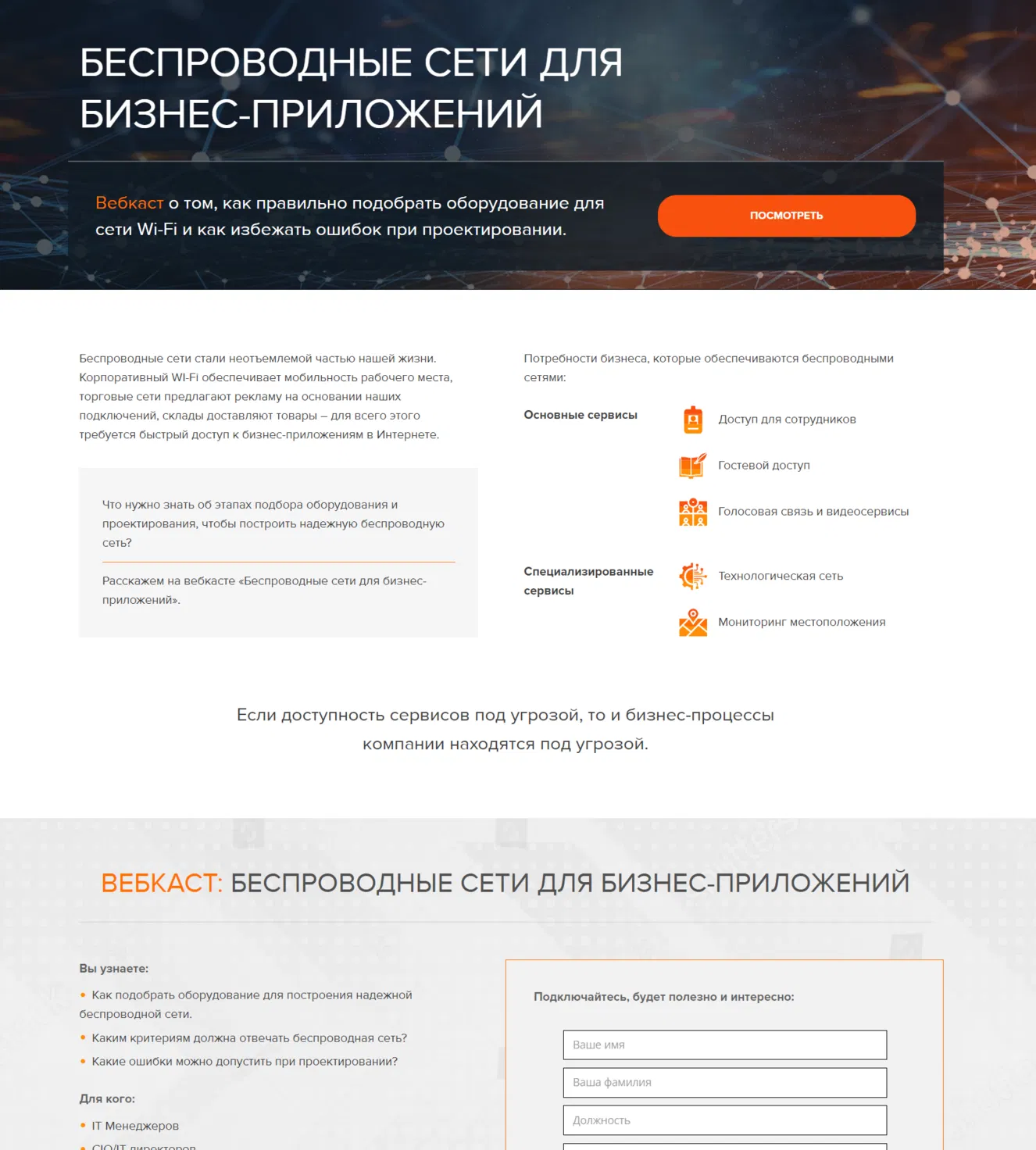
As part of the concept, a comprehensive, centralized program was developed. Under this program, partners specified areas of their deep expertise and defined the topics and solutions they planned to discuss with the market. Cisco and its distributors ensured that the topics of the different partners did not conflict with each other. They created a content hub platform that allowed each partner to host their own materials in a separate space. This platform was also integrated with a service for creating interactive, on-demand webinars and webcasts. Each space was customized according to the brand guidelines of the partners and Cisco. Each content hub’s showcase was a landing page with a registration form. Guidelines and instructions were developed for partners on creating short, engaging, educational webinars.
Separate promotion and personalization strategies were developed for each Cisco division: security, computing, and networking. At the launch of each campaign, the strategy was adjusted according to the partner’s ideal customer profile (ICP) and the webinar topic. The main filter for identifying potential customers was the customer’s specific pain point or problem that the partner encountered.
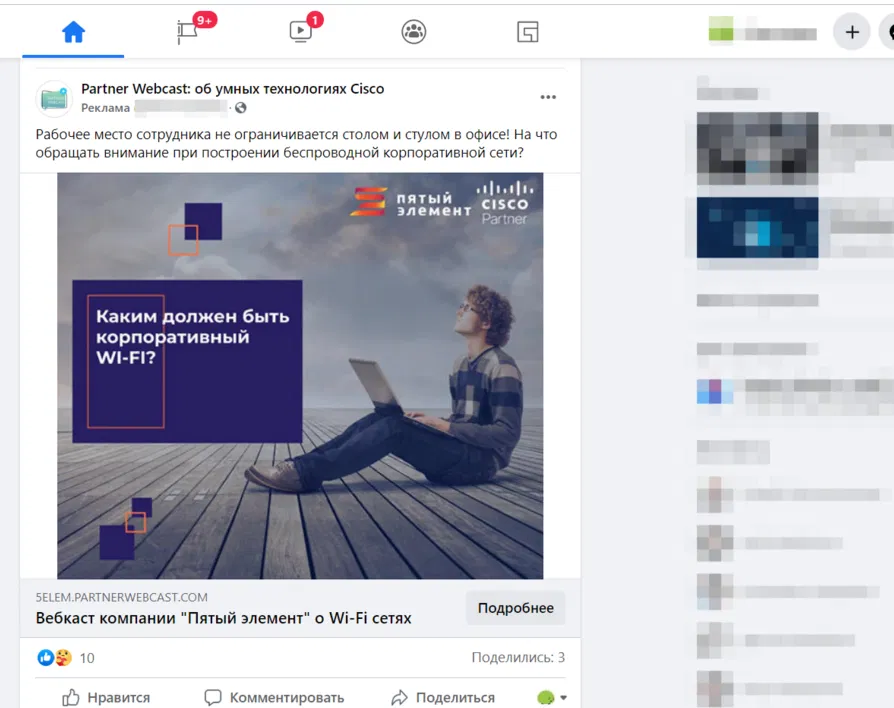
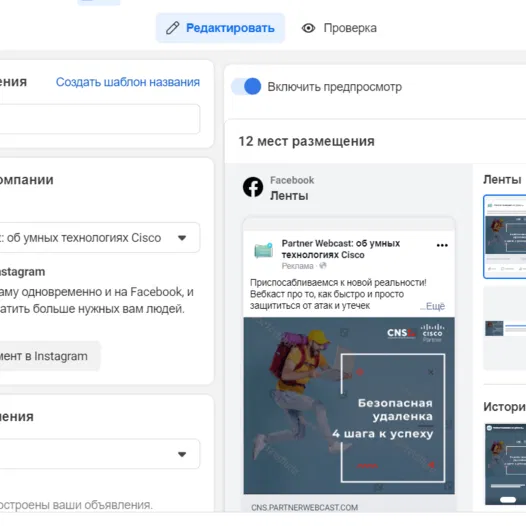
Depending on the ICP and topic, we defined promotion channels and user interaction mechanics, developed advertising creatives, adapted existing content, and created new content. The main tools used were targeted social media advertising, content optimization for organic search results, and triggered email campaigns. The BANT methodology was used for lead qualification.

Results
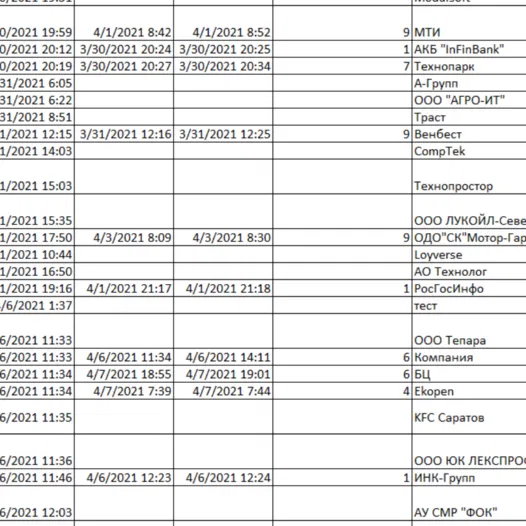
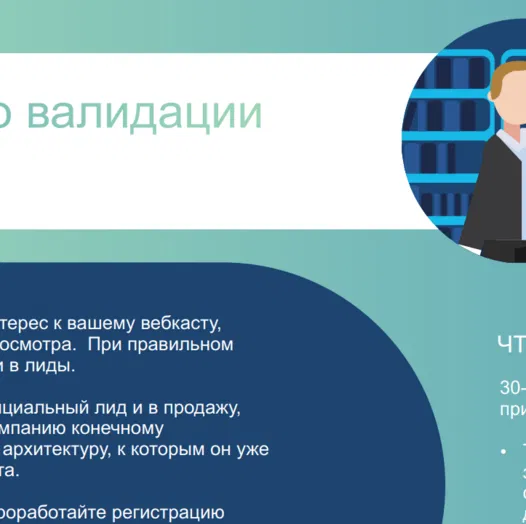
The program included four distributors and 24 Cisco partners, and over 60 webinars were created. On average, each webinar was attended by 40 to 80 unique users. Over the course of two program quarters, more than 250 marketing-qualified leads (MQLs) and more than 150 sales-qualified leads (SQLs) were generated.
Process automation minimized partner involvement. Partners provided their brand book, described their expertise, selected topics, received supporting materials, spent a maximum of 2–4 hours recording videos, and received leads for processing by sales teams within 3–4 weeks.
Отчитываться перед вендором за ко-маркетинговую активность партнеру не требуется, т.к. все отчеты автоматически отправляются вендору.
The program concept was recognized as successful, so it was decided that it would be maximally automated into a standalone platform and used as a regular co-marketing activity to attract SMB customers.