

Aruba / Network as a Service
promotion of a new-to-market Network as a Service offering
Task
The company introduced a new managed service called Network as a Service, which is based on Aruba equipment. There is huge market potential, and several pilot projects have already been completed. The task was to run a marketing campaign to attract customers.
Solution
There were several challenges. Potential customers might not understand the long-term benefits of the solution and might prefer to purchase equipment instead. The needs of different industries vary, and vendor marketing materials do not always effectively address these needs. Additionally, there were no materials to help sales teams convince key decision-makers, such as IT specialists, management, and the finance department. Based on these challenges, the following was proposed: Segment the audience in detail; Create a set of personalized content for each segment; Develop case studies and how-to materials for each target industry. Initial engagement with the target audience would be conducted through targeted advertising on LinkedIn and Facebook, followed by focused work through the automated delivery of personalized content. Leads would be passed to the sales department for further work if they met the following criteria:
- Downloading specific content during the campaign (for each segment); and
- Responses to CTAs (e.g., consultations, savings calculations, remote radio planning based on office floor plans, etc.).
Implementation
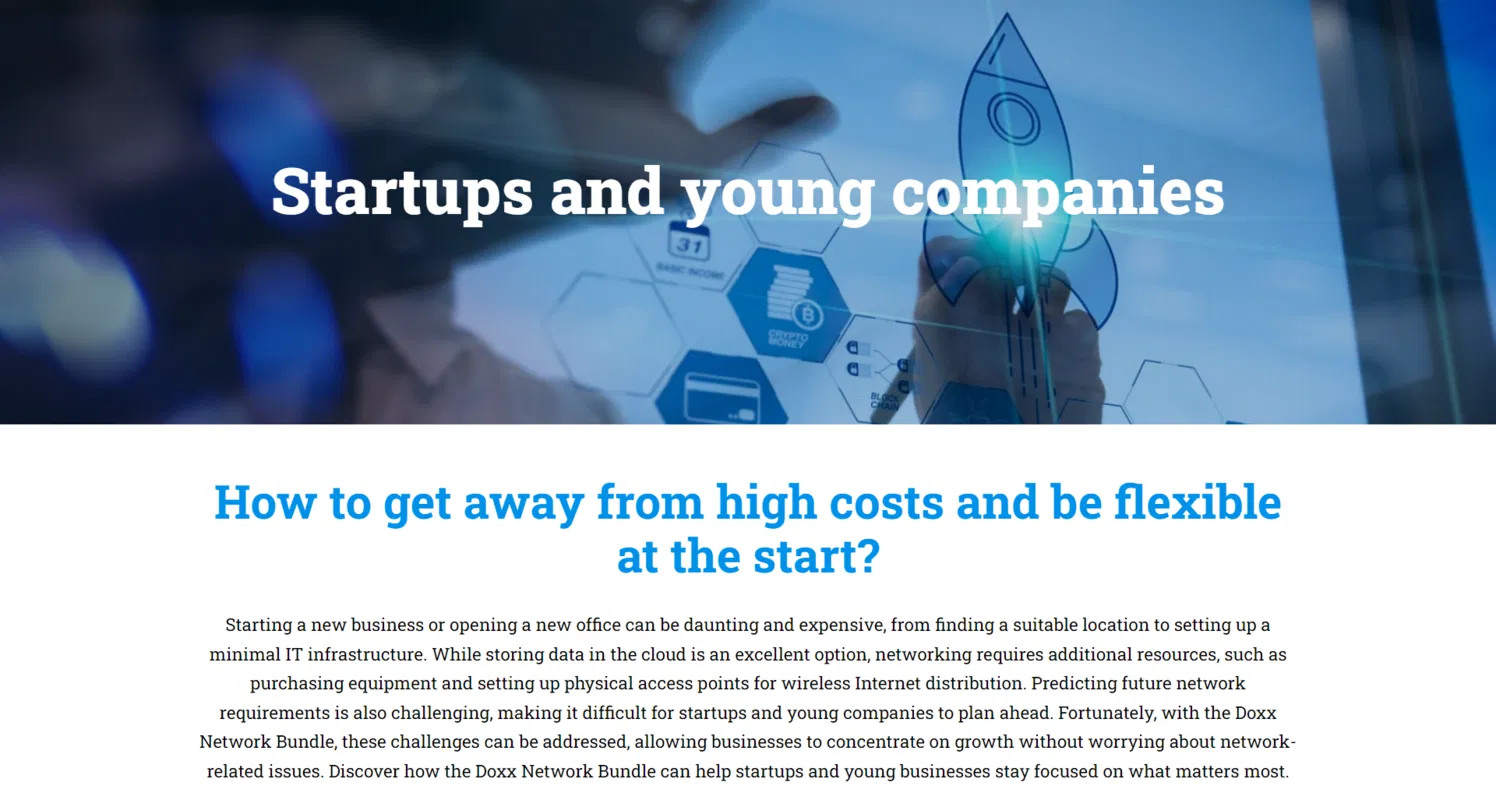
In collaboration with the client’s sales team, we identified the target industries to focus on first: startups, hotels, coworking spaces, business centers, and retail. Then, decision-makers in each industry who could potentially participate in negotiations and influence decisions were identified. Lists of needs and pain points were also compiled for each segment. As a result, 28 segments were defined depending on role, professional pain points, and industry.
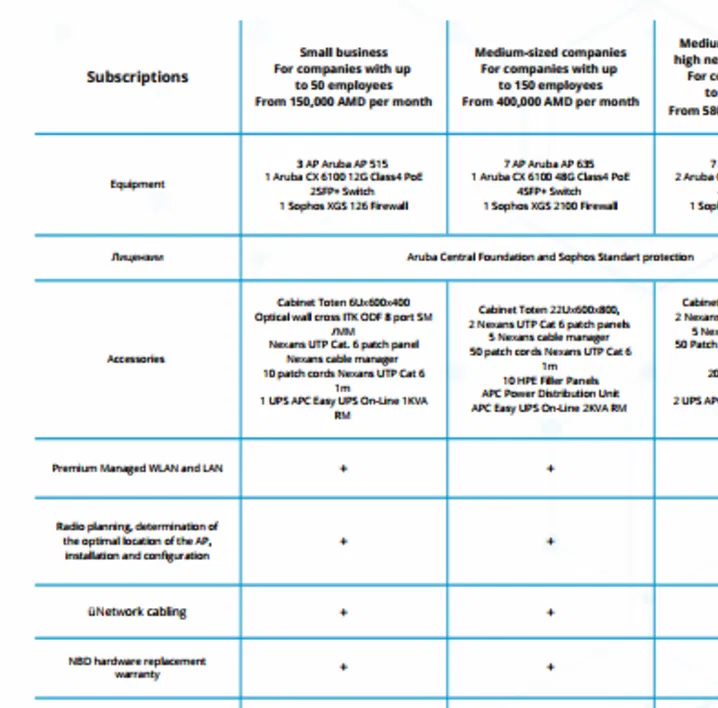
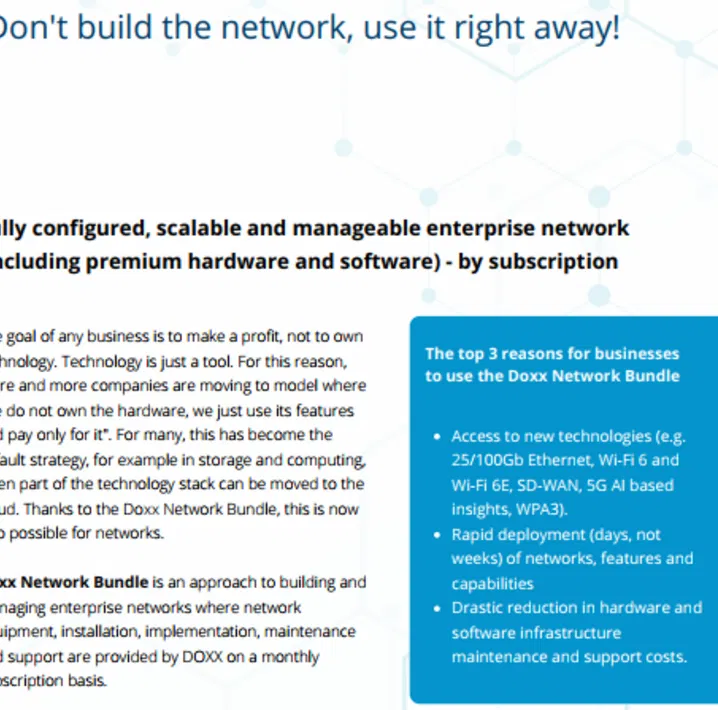
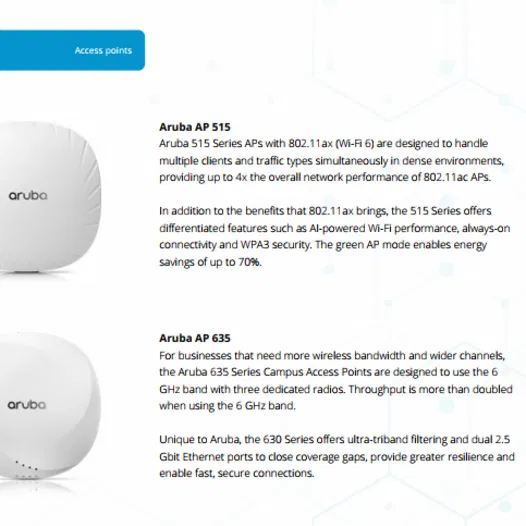
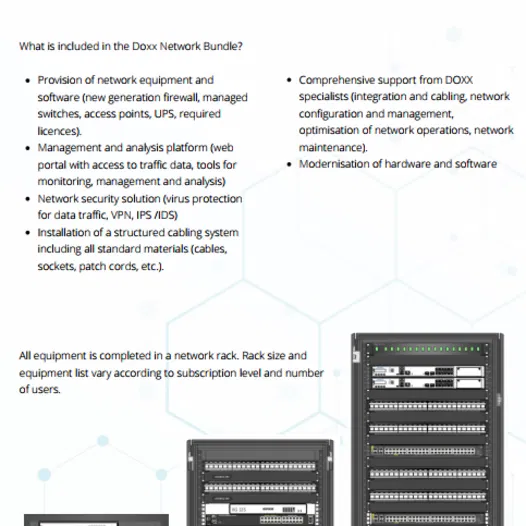
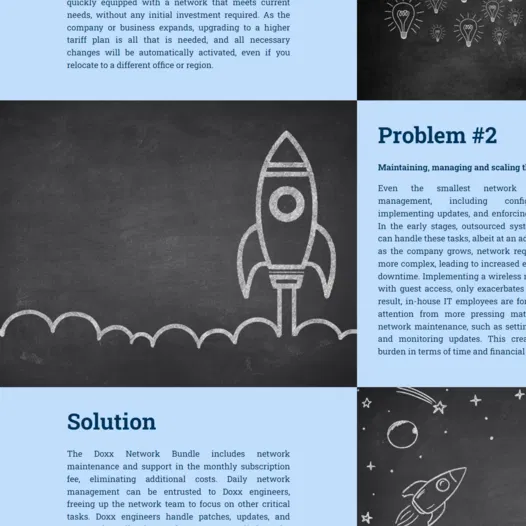
A separate set of personalized content was created for each segment: email copy, marketing materials for outreach (such as one-pagers, brochures, and infographics), and guides addressing each segment’s needs and pain points. More than 150 new, unique assets were created.
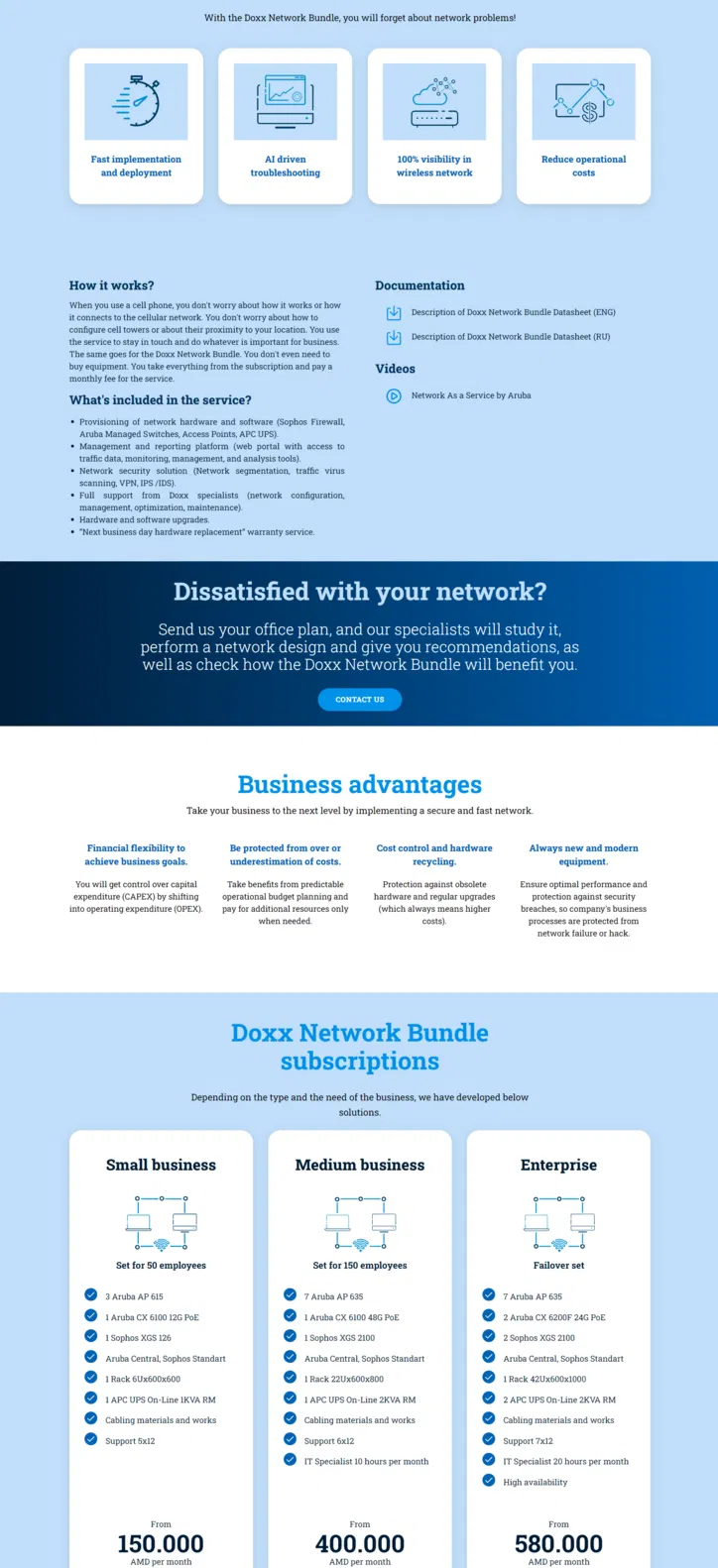
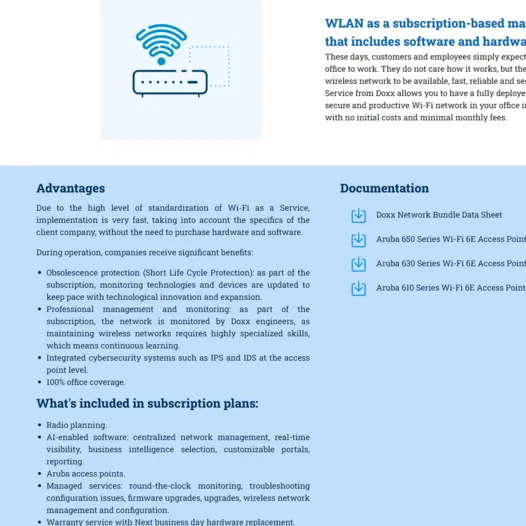
A dedicated page for this solution was created on the company website, offering lead magnets for each segment. The main sources of targeted traffic to the landing page were social networks: Facebook and LinkedIn. Ad delivery algorithms were configured based on segment and user behavior. In addition to the targeting settings, ads contained trigger messages that were only understandable to the target audience, which helped filter out irrelevant traffic. Once interest was identified, communications transitioned to personalized email campaigns with materials designed to address potential objections. More than 200 unique email sequences were created in response to different user behavior patterns.
Results
The campaign lasted six months. Paid acquisition ran for three months. During this time, more than 440 leads were generated, seven deals were closed, and more than 30 deals were in progress toward closure.
As a result, the client received the FY23 Partner Award in the “Best MSP Partner of the Year” category.